PCRX-2002
Pacira continues to advance non-opioid innovation with PCRX-2002, an investigational hydrogel designed to deliver rapid and extended release of ropivacaine from a single application at the time of surgery.
This page displays a pipeline drug candidate currently undergoing clinical testing. The safety and efficacy of this drug candidate have not been fully evaluated by any regulatory authority, including the U.S. Food and Drug Administration, for any indication.
The challenge in post-operative pain management
Surgical procedures can place significant demands on patients, especially during the early recovery period. Managing pain across this recovery window can be complex, highlighting the need for innovative approaches, including non-opioid approaches, that are designed to potentially enhance a patient’s experience.
PCRX-2002 (formerly AMT-143, originally developed by AmacaThera) is designed to address this gap by supporting localized pain relief through a single application at the time of surgery, with the goal of improving the recovery experience following various procedures.
PCRX-2002: Exploring a design that integrates into existing operating workflows
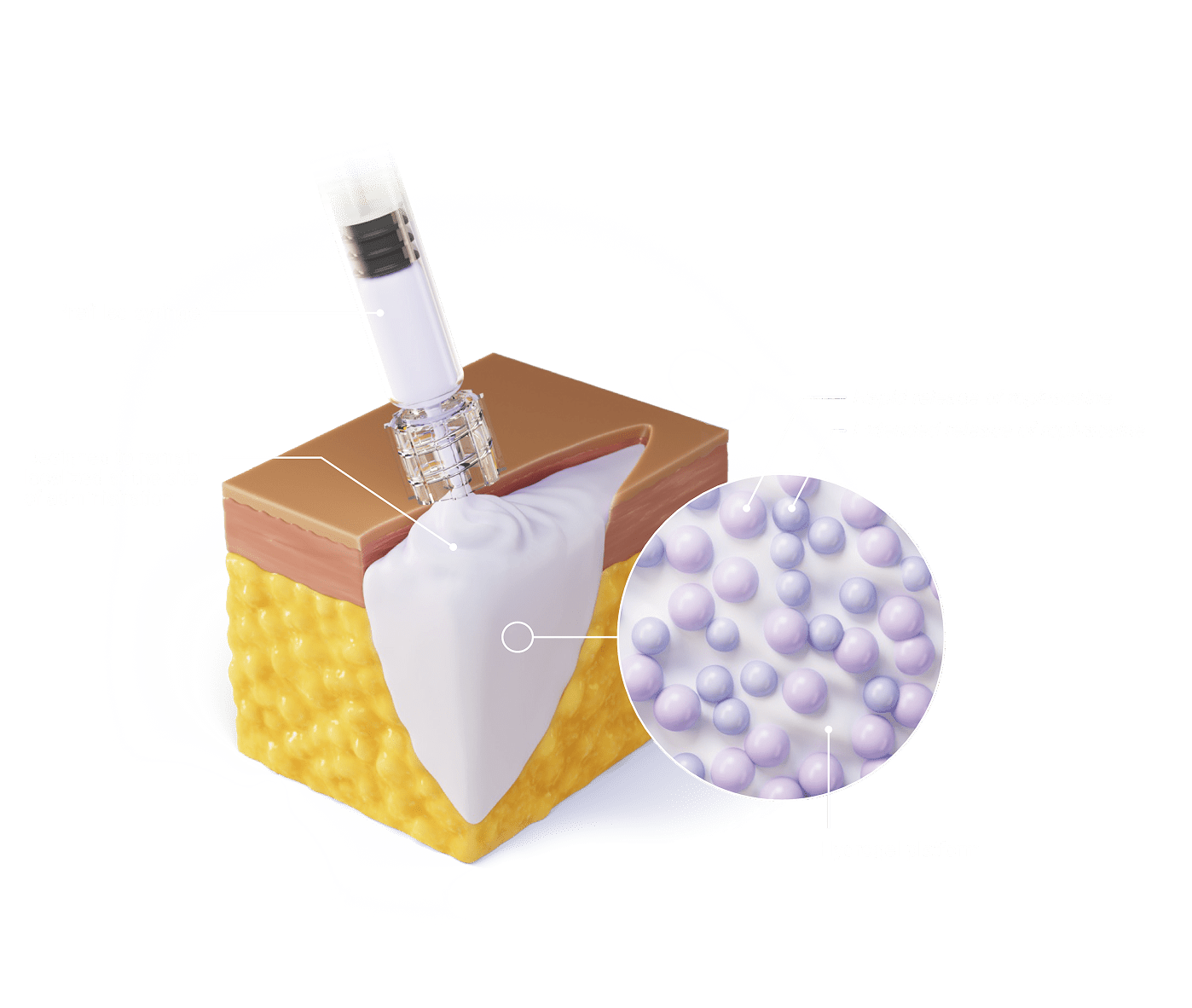
Evaluating the use of proprietary hydrogel in a prefilled syringe that would require no preparation.
Specialized formulation uses two forms of ropivacaine in one syringe, designed for both rapid and extended release of ropivacaine.
In a phase 1 study, ropivacaine was observed to be released for more than 14 days after subcutaneous injection in healthy human subjects. These patients were not evaluated for pain control.
Scalable formulation uses two readily available polymers, a straightforward manufacturing process, and a cost-effective sterilization approach.
Formulated for versatility
PCRX-2002 is designed to deliver ropivacaine almost immediately after surgery, and continuing for an extended period of time, which may support potential applicability across multiple types of surgical procedures.
Clinical development
PCRX-2002 continues to advance through clinical development, with a planned phase 2 study of PCRX-2002 for patients undergoing bunionectomy surgery.
In a human pharmacokinetic (PK) study in 30 healthy subjects injected subcutaneously with PCRX-2002, ropivacaine was observed to be released almost immediately upon completion of surgery, and continuing for a duration of more than 14 days. Subjects in this study were not evaluated for the effectiveness of the drug product for the treatment of pain.
This PK data, along with safety and tolerability data from the phase 1 study, support the planned phase 2 study of PCRX-2002 for patients undergoing bunionectomy.